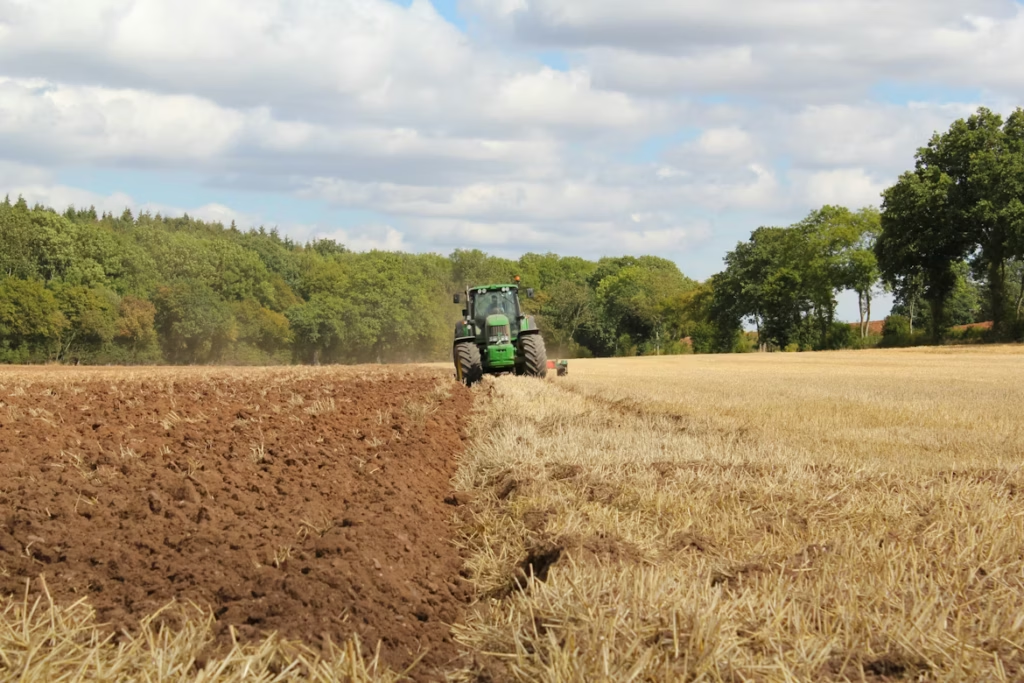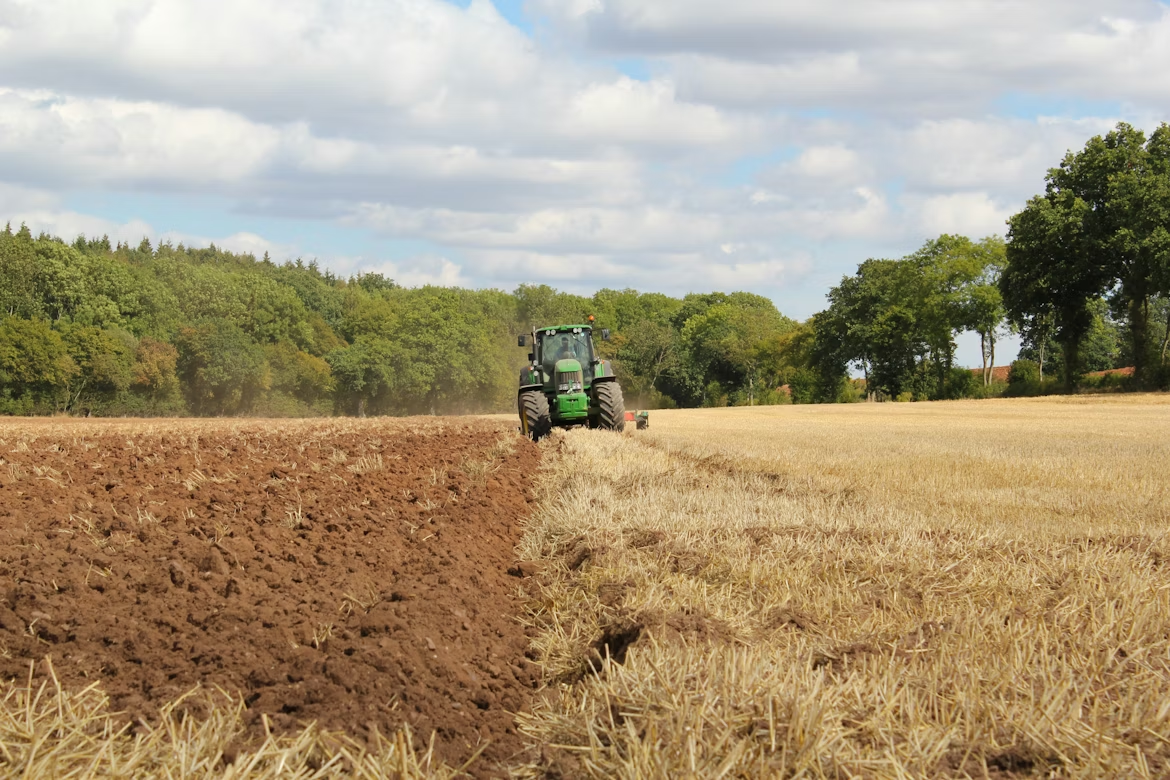
The year began with the hottest and driest spring ever recorded in the UK, followed by the hottest summer on record. Parched soils, weeks of drought and intense heatwaves pushed crops to the brink.
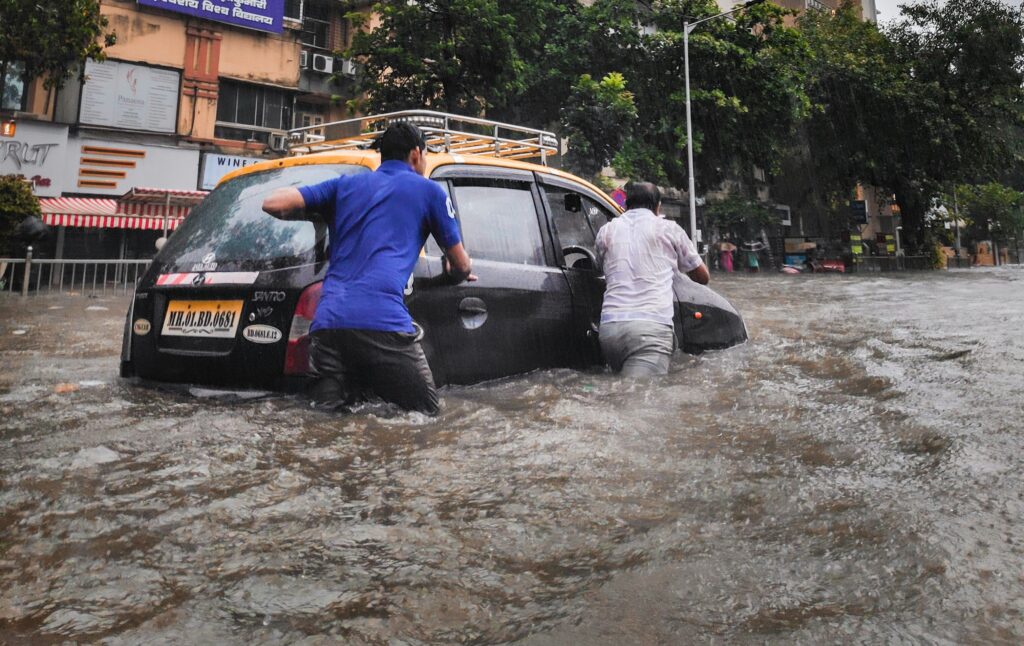
At the same time, winter storms in 2019–20 and 2023–24, intensified by global heating, had left fields waterlogged, delaying planting and reducing viable acreage. Farmers in many regions were unable to access saturated land in time to sow crops, compounding the later damage caused by drought.
“This has been another torrid year for many farmers,” said Tom Lancaster of the Energy and Climate Intelligence Unit (ECIU). “The pendulum swinging from too wet to too hot and dry… British farmers have once again been left counting the costs of climate change.” He noted that four-fifths of arable farmers now worry about their ability to make a living amid rapid climatic shifts.
A Sector Under Pressure and in Need of Support
Lancaster warned that delays to government support schemes including the temporary closure of the Sustainable Farming Incentive in March are worsening challenges for farmers who need help adapting to climate shocks. “There is an urgent need to ensure farmers are better supported… delays are the last thing the industry needs,” he said.
Some farmers blame environmental regulations for their financial strain. But Lancaster argues the data points elsewhere: “Climate impacts are what’s actually driving issues of profitability… Without reaching net zero emissions there is no way to limit the impacts making food production ever more difficult.”
Essex farmer David Lord echoed that concern: “Recent years have seen near constant extreme rainfall, heat and drought… It’s getting to the point where I can’t take the risk of investing in a new crop.”
He said green farming schemes have become a “vital lifeline,” offering both resilience and essential cashflow.
Climate-Smart Farming Takes on New Importance
Adaptation measures such as winter cover crops are gaining traction. These help soils retain more moisture during dry spells and improve drainage during wet periods, a critical buffer in a climate where conditions can swing dramatically within months.
The ECIU analysis used England’s 2025 production data combined with current grain prices, applying an extrapolation method that has been reliable in past years. Since the disastrous 2020 season the worst on record extreme weather has cost UK arable farmers more than £2 billion in lost revenue.
Because grain prices are set globally, reduced UK harvests do not increase domestic prices, leaving growers unable to recoup losses.
Climate Impacts Move Through the Food Chain
The effects of extreme weather are now showing up on supermarket shelves. Products hurt by heatwaves, droughts and storms including butter, beef, milk, coffee and chocolate have risen in price at an average rate of 15.6%, compared with 2.8% for other foods.
UK drought undermined grass growth for dairy and beef, while heat and heavy rains affected cocoa crops in West Africa. Droughts in Brazil and Vietnam pushed global coffee prices sharply upward.
The government says it recognises the scale of the challenge. A spokesperson for the Department for Environment, Food and Rural Affairs said ministers are backing farmers “with the largest nature-friendly farming budget in history” to strengthen resilience in a changing climate.
An Difficult Future for British Farming
Unpredictable weather patterns from prolonged droughts to intense rainfall are increasingly defining the landscape of UK agriculture. For many farmers, the question is shifting from how to cope with challenging seasons to whether their livelihoods can survive the accelerating pace of climate change.
As the UK works toward net zero, the resilience of arable farming will be central to food security. But without urgent adaptation and consistent support, the sector risks being overwhelmed by the very climate impacts it is already battling year after year.